
Surviving a Major Winter Storm: Essential Safety Tips for Ohio Families
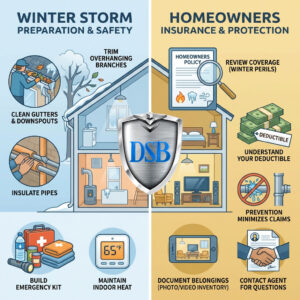
Winter storms in Ohio can strike with little warning, bringing heavy snowfall, dangerous ice, and bone-chilling temperatures that can threaten your safety and damage your property. Whether you’re facing a blizzard in Chillicothe or preparing for a deep freeze across Ohio, being prepared can make the difference between weathering the storm safely and facing a potential emergency.
At DSB Insurance Agency, we’ve seen firsthand how devastating winter storms can be for unprepared families. From frozen pipes causing thousands in water damage to families stranded without heat during subzero temperatures, the risks are real. That’s why we’ve put together this comprehensive guide to help you prepare for, survive, and recover from major winter weather events.
Before the Storm: Preparation is Everything
72-Hour Emergency Kit Essentials
When meteorologists predict a major winter storm, you should have at least 72 hours’ worth of supplies ready. Here’s what every Ohio household needs:
Food and Water:
- One gallon of water per person per day (minimum 3 days)
- Non-perishable foods: canned goods, protein bars, dried fruit, nuts, peanut butter
- Manual can opener
- Crackers, cereal, and other shelf-stable items
- Baby food and formula if you have infants
- Pet food and supplies
Heat and Light:
- Flashlights with extra batteries (one per person)
- Battery-powered or hand-crank radio for weather updates
- Candles and matches (stored safely)
- Extra blankets, sleeping bags, and warm clothing
- Alternative heating source if possible (ensure proper ventilation)
Medical and Personal:
- First aid kit with bandages, pain relievers, antiseptic
- Prescription medications (7-day supply minimum)
- Any medical equipment you depend on
- Personal hygiene items
- Eyeglasses and contact lens supplies
Communication and Safety:
- Fully charged cell phones and backup power banks
- List of emergency contacts written on paper
- Battery-powered phone charger
- Whistle to signal for help
- Important documents in waterproof container
Protect Your Home Before the Storm Hits
Prevent Frozen Pipes (The #1 Winter Insurance Claim):
Frozen pipes cause more insurance claims than almost any other winter hazard. Here’s how to prevent them:
- Let faucets drip slowly during extreme cold (moving water doesn’t freeze as easily)
- Open cabinet doors under sinks to allow warm air circulation
- Keep your thermostat at 55°F minimum, even if you’re away
- Insulate exposed pipes in basements, attics, and crawl spaces
- Disconnect and drain outdoor hoses
- Shut off and drain sprinkler systems
- Know where your main water shut-off valve is located
Heating System Check:
- Have your furnace serviced before winter (ideally in fall)
- Replace furnace filters monthly during winter
- Ensure vents and chimneys are clear of debris
- Stock up on heating fuel if you use oil or propane
- Test backup generators before you need them
- Keep generator outdoors and at least 20 feet from your home (carbon monoxide danger)
Roof and Gutters:
- Clean gutters to prevent ice dams
- Check roof for damaged or missing shingles
- Ensure attic insulation is adequate
- Look for signs of leaks or weak spots
Power Outage Preparation:
- Charge all devices fully before storm arrival
- Fill bathtubs with water (for flushing toilets if power goes out)
- Set refrigerator and freezer to coldest settings
- Freeze containers of water to help keep food cold during outages
- Have a corded landline phone (cordless phones won’t work without power)
During the Storm: Stay Safe and Warm
The Golden Rule: Stay Home
Unless it’s a life-threatening emergency, do NOT venture out during a major winter storm. More people die from car accidents during winter storms than from any other storm-related cause.
If You Absolutely Must Travel:
- Tell someone your route and expected arrival time
- Keep your gas tank at least half full
- Pack a winter emergency car kit (see below)
- Check road conditions before leaving (Ohio DOT: ohgo.com)
- Drive slowly—speed limits are for ideal conditions
- Increase following distance to 8-10 seconds
- Avoid cruise control on snow or ice
- If you start to skid, steer in the direction of the skid and don’t slam the brakes
Winter Car Emergency Kit:
- Blankets and extra warm clothing
- Flashlight and extra batteries
- First aid kit
- Knife or multi-tool
- High-calorie, non-perishable food
- Water bottles
- Windshield scraper and snow brush
- Jumper cables
- Tow chain or rope
- Road salt, sand, or cat litter for traction
- Brightly colored cloth to tie to antenna
- Shovel
- Matches in waterproof container
Staying Warm Without Power
If you lose electricity during frigid temperatures, hypothermia becomes a real danger. Here’s how to stay warm:
Body Heat Conservation:
- Wear layers of loose-fitting, lightweight clothing
- Cover your head—you lose most body heat through your head
- Keep hands and feet covered with mittens and heavy socks
- Stay dry—wet clothing loses insulating ability
- Keep moving to generate body heat, but don’t overexert
Create a Warm Room:
- Choose one small room (smaller spaces heat more easily)
- Hang blankets over windows and doorways
- Use towels or rags to block drafts under doors
- Gather everyone in the same room—body heat adds up
- Close off unused rooms to conserve heat
Safe Heating Alternatives:
- Fireplace (ensure damper is open and you have adequate ventilation)
- Wood stove (if you have one—never burn coal in a wood stove)
- Propane heater designed for indoor use ONLY
NEVER DO THIS:
❌ Use your oven or stovetop for heat (fire and carbon monoxide danger)
❌ Burn charcoal indoors (deadly carbon monoxide)
❌ Use generators, grills, or camp stoves inside (carbon monoxide poisoning)
❌ Leave candles unattended
❌ Use outdoor propane heaters indoors
Carbon Monoxide Safety: Carbon monoxide (CO) is an odorless, colorless killer. During power outages, CO poisoning increases dramatically.
- Install CO detectors on every level of your home (battery-powered)
- Test CO detectors monthly
- Never run generators inside homes, garages, or near windows
- If your CO detector sounds, evacuate immediately and call 911
- Symptoms of CO poisoning: headache, dizziness, nausea, confusion
Food Safety During Power Outages
Keeping Food Safe:
- Keep refrigerator and freezer doors closed as much as possible
- A full freezer will keep food frozen for 48 hours if unopened
- A half-full freezer will keep food frozen for 24 hours
- Refrigerator will keep food cold for about 4 hours if unopened
- Use coolers with snow or ice to keep food cold
- When in doubt, throw it out—food poisoning isn’t worth the risk
Food Temperature Guidelines:
- Below 40°F: Safe
- Above 40°F for more than 2 hours: Discard perishables
- Frozen food with ice crystals: Safe to refreeze
- Frozen food fully thawed: Discard if above 40°F for 2+ hours
Recognizing Cold-Weather Emergencies
Frostbite Warning Signs
Frostbite occurs when skin and underlying tissues freeze, usually on fingers, toes, nose, ears, cheeks, and chin.
Early Signs (Frostnip):
- Pale or red skin
- Numbness or tingling
- Pain in affected area
Severe Frostbite:
- White or grayish-yellow skin
- Skin feels unusually firm or waxy
- Numbness (no pain)
- Blistering after rewarming
First Aid for Frostbite:
- Get to a warm room as soon as possible
- Immerse affected area in warm (NOT hot) water (98-105°F)
- Don’t rub or massage frostbitten areas
- Don’t use heating pads, heat lamps, or stove heat
- Seek medical attention immediately for severe cases
Hypothermia Warning Signs
Hypothermia occurs when your body loses heat faster than it can produce it, causing body temperature to drop dangerously low.
Adults:
- Shivering
- Exhaustion or drowsiness
- Confusion or memory loss
- Slurred speech
- Fumbling hands
Infants:
- Bright red, cold skin
- Very low energy
First Aid for Hypothermia:
- Call 911 immediately
- Move person to warm, dry location
- Remove wet clothing
- Warm center of body first—chest, neck, head, groin
- Use warm blankets or skin-to-skin contact
- Give warm, non-alcoholic beverages if conscious
- Keep person lying down
Protecting Your Property
Preventing Ice Dams
Ice dams form when heat from your attic melts snow on the roof, which refreezes at the eaves, creating ice buildup that forces water under shingles.
Prevention:
- Ensure adequate attic insulation (R-38 to R-60 for Ohio)
- Improve attic ventilation
- Seal air leaks from living spaces to attic
- Use a roof rake to remove snow from the first 3-4 feet of your roofline
- Install heat cables along roof edges (before storm season)
If Ice Dams Form:
- DO: Use a roof rake to remove snow
- DO: Hire professionals to remove ice safely
- DON’T: Chip away ice yourself (roof damage risk)
- DON’T: Use salt or chemicals (damage to shingles and gutters)
Snow Removal Safety
Shoveling Safety: Heavy, wet snow is extremely heavy (over 20 pounds per cubic foot). Heart attacks during snow shoveling kill more people than you’d expect.
- Warm up before shoveling (light stretching)
- Push snow rather than lifting when possible
- Lift with your legs, not your back
- Take frequent breaks
- Stay hydrated
- Know heart attack warning signs: chest pain, shortness of breath, pain in arms/jaw
- Consider hiring snow removal service if you have health conditions
Snow Blower Safety:
- Never stick hands in chute to clear clogs
- Use a stick or broom handle to clear jams
- Turn off machine before unclogging
- Keep children and pets away
- Wear safety glasses
Roof Snow Load
Too much snow on your roof can cause structural damage or collapse.
Warning Signs:
- Sagging ceiling or roof
- Cracking or popping sounds
- Doors that won’t close properly
- Cracks in walls, especially above doorways
- Severe roof leaks
When to Remove Snow:
- More than 2 feet of old snow
- More than 12 inches of heavy, wet snow
- Ice buildup exceeding 1/2 inch
- Combination of snow types creating excess weight
Hire professionals for roof snow removal—it’s dangerous work.
After the Storm: Recovery and Damage Assessment
First Steps When the Storm Ends
- Check on Neighbors: Elderly neighbors and those living alone may need help
- Assess Damage: Walk around your property looking for damage (downed trees, roof damage, foundation cracks)
- Document Everything: Take photos and videos of any damage for insurance claims
- Don’t Rush Repairs: Wait for safe conditions before climbing on roofs or removing large tree limbs
Checking for Home Damage
Frozen Pipes: If you turn on a faucet and only a trickle comes out, you likely have a frozen pipe.
What to Do:
- Keep the faucet open—running water helps melt ice
- Apply heat to frozen section: hair dryer, heat lamp, hot towels
- Never use open flame, torch, or high-heat devices
- If you can’t locate frozen area or it doesn’t thaw, call a plumber
Burst Pipes: If a pipe bursts:
- Turn off main water supply immediately
- Turn off electricity if water is near outlets or appliances
- Call a plumber
- Document damage with photos
- Contact your insurance agent (DSB Insurance: 740-656-5119)
When to File an Insurance Claim
Homeowners Insurance Typically Covers:
- Burst pipe water damage
- Roof damage from ice or snow weight
- Falling tree damage
- Structural damage from ice/snow
- Ice dam water damage (interior)
Usually NOT Covered:
- Frozen pipes in unheated areas (may be considered negligence)
- Damage from lack of maintenance
- Ice dam removal costs
- Gradual damage over time
- Flood damage (requires separate flood insurance)
Before Filing:
- Document all damage thoroughly
- Make temporary repairs to prevent further damage (save receipts)
- Don’t make permanent repairs until adjuster visits
- Keep all receipts for temporary housing, if needed
Call DSB Insurance at (740) 656-5119 if you’re unsure whether to file a claim.
Special Considerations for Chillicothe and Ross County
Local Resources
Emergency Services:
- Emergency: 911
- Ross County Sheriff Non-Emergency: (740) 773-1185
- Chillicothe Police Non-Emergency: (740) 773-1191
- Ross County EMA: (740) 702-3080
Power Outages:
- AEP Ohio Outage Reporting: 1-800-672-2231
- Track outages: aepohio.com/outages
Road Conditions:
- Ohio DOT Road Conditions: ohgo.com
- Ross County Engineer: (740) 702-3080
Warming Centers: During severe winter weather, warming centers may open in Chillicothe. Check:
- Ross County Emergency Management Agency
- American Red Cross Southern Ohio
Ohio-Specific Winter Hazards
Black Ice: Common on Ohio roads during temperature fluctuations. Black ice is nearly invisible and extremely slippery.
Where It Forms:
- Bridges and overpasses (freeze first)
- Shaded areas that don’t get sun
- Areas where water drains across roadways
If You Hit Black Ice:
- Don’t brake or accelerate suddenly
- Keep steering wheel straight
- Ease off gas pedal
- If you start to slide, steer in direction of slide
Freezing Rain: More dangerous than snow. 1/4 inch of ice can snap tree branches and power lines.
During Freezing Rain:
- Stay indoors if possible
- Park away from trees and power lines
- If you must drive, go extremely slowly (ice is worse than snow)
What to Tell Your Kids
Children can be frightened by severe winter storms. Here’s how to talk to them:
Be Honest But Reassuring:
- Explain that winter storms are normal for Ohio
- Tell them you have a plan and supplies
- Explain what they should do if power goes out
- Practice emergency plans together
Make It an Adventure:
- Camp out in the living room
- Play board games by flashlight
- Tell stories
- Make it a “snow day party”
Teach Safety:
- Never touch downed power lines
- Stay away from frozen ponds or creeks
- Dress in layers before going outside
- Come inside if they feel too cold
- Tell an adult if they lose feeling in fingers or toes
Winter Storm Myths Debunked
MYTH: “Alcohol warms you up.”
❌ FALSE: Alcohol causes blood vessels to dilate, actually making you lose heat faster.
MYTH: “You lose most heat through your head.”
⚠️ PARTLY TRUE: You lose heat through any exposed skin. Cover your head AND hands, feet, and face.
MYTH: “Running your car in a closed garage for warmth is safe.”
❌ DEADLY FALSE: This causes carbon monoxide poisoning and kills people every winter.
MYTH: “Rubbing frostbitten skin helps.”
❌ FALSE: This causes more damage. Warm gradually with warm (not hot) water.
MYTH: “It’s safe to warm up your car in an attached garage with the door open.”
❌ FALSE: Carbon monoxide can still seep into your home. Always warm up vehicles outside.
Insurance Tips for Winter Weather
Review Your Coverage NOW
Before severe weather hits, review your homeowners policy with your agent to understand:
- What’s covered vs. what’s not
- Your deductibles
- Whether you have adequate coverage limits
- If you need additional coverage (flood insurance, equipment breakdown)
Important Coverage to Verify
Equipment Breakdown: Covers furnace failure during winter storms (not always standard on homeowners policies)
Water Backup: Covers water damage from sewer or drain backup (often excluded from standard policies)
Ordinance or Law: Covers costs to rebuild to current building codes (important for older homes)
Temporary Living Expenses: If your home becomes uninhabitable, this covers hotel, food, and other expenses
Don’t Wait Until Damage Occurs: Insurance changes typically can’t be made after a storm is forecast.
Your Winter Storm Checklist
Print this and keep it with your emergency supplies:
48 Hours Before Storm:
☐ Check weather forecast and warnings
☐ Fill prescriptions
☐ Charge all devices
☐ Fill gas tank
☐ Stock up on groceries
☐ Get cash (ATMs may not work during outages)
☐ Test flashlights and battery-powered radio
☐ Bring pets indoors
☐ Protect outdoor pipes
24 Hours Before Storm:
☐ Set refrigerator/freezer to coldest setting
☐ Fill bathtubs with water
☐ Open cabinet doors under sinks
☐ Let faucets drip slightly
☐ Bring in firewood
☐ Charge backup batteries
☐ Confirm emergency contacts
During Storm:
☐ Stay indoors
☐ Monitor weather updates
☐ Check on neighbors (by phone)
☐ Keep emergency kit accessible
☐ Document any damage
After Storm:
☐ Check for damage
☐ Clear walkways and driveways
☐ Check on elderly neighbors
☐ Report power outages
☐ Contact insurance if needed
The Bottom Line
Winter storms are a fact of life in Ohio, but with proper preparation, you can keep your family safe and your property protected. The key is planning ahead—once the storm is forecast, it may be too late to get supplies or make insurance changes.
At DSB Insurance Agency, we’ve been protecting Chillicothe families through every winter storm for over 78 years. We hope you never need to file a claim, but if you do, we’re here to help you through it.
Stay safe, stay warm, and stay prepared, Ohio!
Need to Review Your Winter Weather Coverage?
Contact DSB Insurance Agency today for a free policy review. We’ll make sure your home, vehicles, and family are properly protected before the next big storm hits.
DSB Insurance Agency
95 N. Mulberry St., Suite E
Chillicothe, OH 45601
(740) 656-5119
www.dsbinsurance.com
Serving Chillicothe and Ross County with personalized insurance solutions since 1948.
Related Articles:
- Ohio Winter Weather: Does Your Home Insurance Cover Ice Dams?
- How to File an Insurance Claim After Winter Storm Damage